
The 2026 Winter Olympic Games in Milan and Cortina d’Ampezzo will bring together the strongest representatives of winter sports from across the world. The competition is expected to highlight both experienced champions and a new generation of athletes ready to challenge established hierarchies. Performances at these Games will likely be defined not only by physical preparation but also by tactical awareness and the ability to handle pressure at the highest level.
Established Champions Expected to Lead the Field
Several athletes enter the 2026 Olympics with a strong record of consistent performances at World Cup level. In alpine skiing, Mikaela Shiffrin remains one of the most reliable competitors, combining technical precision with versatility across multiple disciplines. Her experience in Olympic settings gives her a clear advantage when margins between competitors are minimal.
In cross-country skiing, Johannes Høsflot Klæbo continues to set the pace in sprint events while also remaining competitive in longer distances. His race strategy and finishing speed make him a constant contender for gold medals in multiple formats.
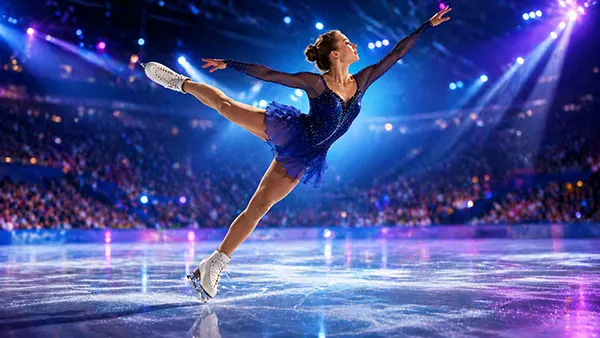
Figure skating will feature technically advanced routines from skaters such as Ilia Malinin, whose execution of complex jumps has raised expectations within the discipline. His ability to maintain consistency under pressure will be a key factor in determining his final results.
How Experience Influences Olympic Performance
Experience in previous Olympic Games often translates into better control over competition nerves. Athletes who have already faced the intensity of Olympic events tend to approach performances with greater composure.
Another important aspect is preparation timing. Experienced competitors understand how to structure their season in order to reach peak form precisely during the Games rather than earlier in the year.
Familiarity with different environmental conditions, including snow quality and venue characteristics, also allows seasoned athletes to adapt more efficiently, reducing performance risks.
Rising Stars Who Could Break Through
Every Olympic cycle introduces new names capable of challenging established leaders. In freestyle skiing, Eileen Gu continues to push technical limits while maintaining high execution scores, making her one of the most promising athletes in multiple events.
Speed skating has seen rapid progress from younger competitors such as Jordan Stolz. His development suggests strong potential in sprint distances, where even small improvements can determine podium positions.
In biathlon, Tommaso Giacomel represents a new wave of athletes combining skiing speed with improving shooting accuracy. Competing in Italy may provide an additional advantage due to local familiarity and crowd support.
Factors Behind Rapid Athlete Development
Modern training approaches rely heavily on data analysis, allowing athletes to refine technique and optimise performance more effectively than in previous decades.
Regular participation in international competitions helps young athletes gain experience against top-level opponents, accelerating their tactical development.
Support from multidisciplinary teams, including coaches, physiotherapists, and sports psychologists, ensures a balanced approach to both physical and mental preparation.
Team Sports and Collective Impact on the Games
Team competitions will play a significant role in shaping the overall narrative of the 2026 Winter Olympics. Ice hockey remains one of the central events, with traditional powerhouses such as Canada, Sweden, and the United States preparing highly competitive squads.
Curling continues to demonstrate strategic complexity, with teams from Scotland, Switzerland, and Canada consistently delivering precise and well-coordinated performances. Matches often depend on small tactical decisions made under pressure.
In disciplines like ski jumping and Nordic combined, team events require consistent performances from all participants. Nations with structured development systems, including Germany and Austria, are expected to remain strong contenders.
The Role of Team Dynamics in Olympic Success
Effective communication within a team is essential for achieving stable results. Even minor misunderstandings can influence overall performance in tightly contested matches.
Preparation often includes simulations of high-pressure situations, helping teams maintain focus during critical moments of competition.
Leadership within teams also contributes to success, as experienced athletes guide less experienced members and help maintain consistency throughout the tournament.