
Just as the spotlight captures their every move in the sporting arena, athletes, too, seek out avenues for relaxation, excitement, and sometimes, the thrill of risk. Casinos, with their allure of quick fortune and the heart-racing ambiance, often become the chosen escape. But what draws these sports icons to the betting tables?
- Adrenaline Rush: Much like the tension of a last-minute goal or a photo-finish race, gambling can create the kind of adrenaline surge that many athletes are accustomed to experiencing during competition.
- Competition: The competitive spirit doesn’t fade outside the stadium. Athletes, driven by their inherent desire to win, often find the challenge of the casino irresistible.
- Distraction: After high-pressure matches, the mind needs a diversion. The lights, sounds, and activity in a casino can offer the perfect detachment.
Floyd Mayweather
Known for his flamboyance both inside and outside the boxing ring, Mayweather is no stranger to the casino floors. Often referred to as “Money,” Mayweather has been known to place hefty bets on sports games. He’s frequently shared images of his winning tickets on social media, some ranging well into six figures. His love for gambling is evident, but with a nickname like “Money,” perhaps it’s hardly surprising!
Antoine Walker
The former NBA star’s tale serves as a cautionary one about the perils of gambling addiction. Walker, despite earning over $108 million during his basketball career, faced financial ruin due to his gambling habits among other issues. His story underscores the importance of moderation, even for those who seem to have it all.
John Daly
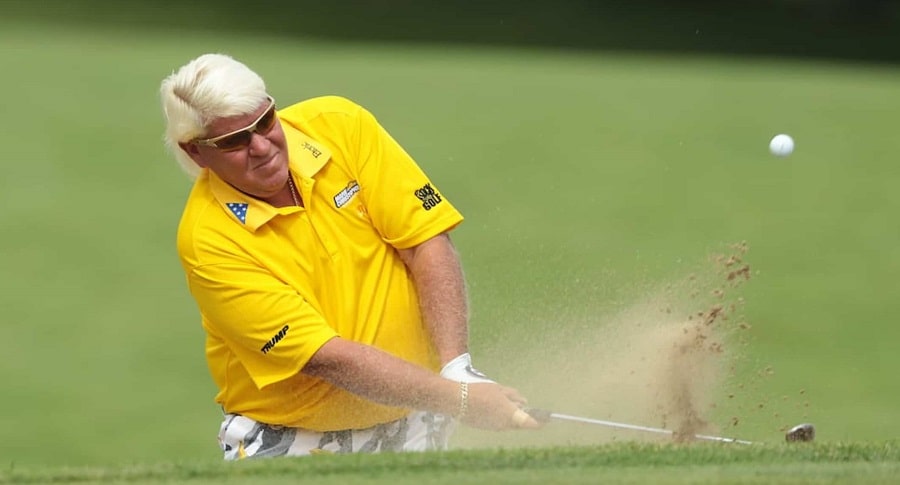
Golf may appear calm and controlled, but Daly’s experiences with gambling reveal a far more turbulent side of his life. The golfer has openly acknowledged that years of heavy betting resulted in losses exceeding $50 million. In later accounts, he estimated total gambling losses of $95–98 million, partly offset by $40–45 million in winnings, leaving a net loss of roughly $53–55 million. Daly also connected his behaviour to the intense rush of casino play, explaining that placing large sums at a blackjack table could produce an adrenaline level comparable to competing for a golf title. His story is therefore not simply an example of extravagant spending; it demonstrates how the constant pursuit of excitement can become financially destructive even for a successful professional athlete. The contrast between golf’s measured pace and Daly’s prolonged gambling problems makes this part of his biography especially striking.
Wayne Rooney
The English football legend has often made headlines not just for his on-field exploits but also his activities off the pitch, especially in casinos. Reports have highlighted instances of Rooney spending long nights at casinos, with varied outcomes. His affinity for blackjack and roulette is well-known, but like many, he’s experienced both the joys of winning and the despair of losing.
Art Schlichter
A promising quarterback with a career ahead, Schlichter’s potential was overshadowed by his crippling gambling addiction. His involvement in betting led to his suspension from the NFL, marking one of the most significant falls from grace in the sports-gambling nexus. His story is a stark reminder of the darker side of the casino allure.
Conclusion
While the thrill of a casino can offer athletes a temporary break from demanding training schedules and public pressure, gambling should be approached with discipline, clear limits, and a realistic understanding of the risks involved. It is best treated as paid entertainment rather than a reliable source of income, and the time or money spent should never exceed predetermined limits. The experiences of these sports stars illustrate both the appeal and the dangers of high-stakes play, showing how an occasional pastime can become harmful when self-control gives way to chasing losses or seeking increasingly intense excitement.